History of Agricultural Fairs
Agricultural fairs in the United States were developed in the nineteenth century as structured means for farmers to congregate, share ideas, exhibit their livestock, and display crops. It was a time of great variety in farming methods, and already poor channels of communication. The fairs served as practical knowledge and learning institutions, as communities genuinely wanted to uplift bad farming practices and knowledge of agricultural progress.
Fairs would gradually grow, therefore, including various activities for promoting these community events, which had earlier increased from straightforward exhibitions to festivities involving regional celebration, food-mingling, and the partaking of events.
Early Agricultural Societies
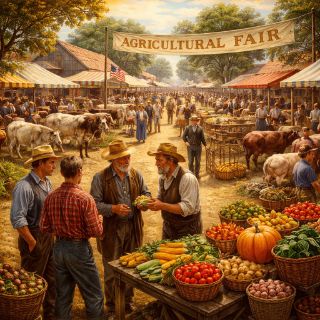
Many early agricultural fairs were organized by local agricultural societies formed during the early 1800s. These groups were often made up of farmers, educators, and civic leaders who wanted to improve farming techniques and productivity.
Agricultural societies organized exhibitions where farmers could display livestock breeds, crop varieties, and new farming equipment. Judges awarded prizes to recognize quality and innovation. These competitions helped motivate farmers to improve breeding practices, experiment with crops, and adopt better tools.
The early fairs also served as social gatherings in rural areas where communities were often spread across large geographic regions. For many participants, fairs were an opportunity to connect with neighbors, exchange advice, and discuss agricultural challenges.
Expansion During the 19th Century
By the mid-1800s, agricultural fairs had spread throughout much of the United States. State and county fairs began appearing regularly on local calendars. The development of railroads made travel easier, allowing farmers from different regions to attend and display their products.
As fairs grew in size, they introduced additional attractions such as horse races, food vendors, music performances, and craft exhibitions. While these features increased entertainment value, the agricultural focus remained central. Farmers still gathered to compare livestock breeds, discuss crop yields, and learn about new farming tools.
These fairs became symbols of rural pride and cooperation, reinforcing the importance of agriculture within regional communities.
Common Events and Exhibitions
They generally include a myriad of exhibitions that demonstrate an aspect of agriculture or rural life. Live competitions, crop displays, food contests, machinery demonstrations, plus hundreds of other options, are typical of fairs in every corner of America.
Though each fair obvious to the tradition of the local area (a historian commented yesterday that the state fair has very little to do with the town), so many activities have surely just ended up amplifying commercial concerns from all over awhile.
Livestock Competitions
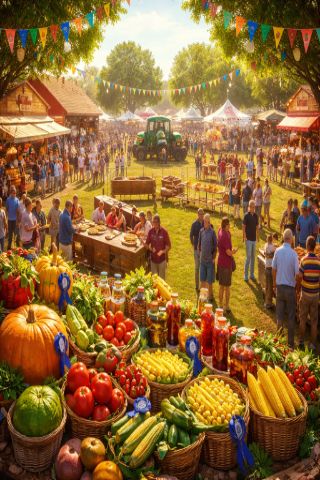
Livestock exhibitions are among the most recognizable elements of agricultural fairs. Farmers and youth participants bring animals such as cattle, sheep, pigs, goats, and poultry to be evaluated by judges.
Judging typically focuses on breed standards, physical condition, and overall health. Winning animals may receive ribbons, trophies, or prize money. These competitions help promote responsible breeding practices and encourage farmers to maintain high standards in animal care.
Livestock shows also provide an educational experience for visitors who may have limited exposure to agricultural life.
Crop and Produce Displays
Crop exhibitions allow farmers and gardeners to showcase their harvests. Participants may submit vegetables, fruits, grains, or specialty crops for judging based on quality, size, and appearance.
Displays often include carefully arranged tables filled with seasonal produce. These exhibitions highlight regional agricultural diversity and demonstrate the results of local farming efforts.
Visitors can see how different varieties of produce are grown and learn more about the crops that support local food systems.
Food Competitions and Local Products
Food competitions are another popular feature of agricultural fairs. Participants may enter homemade pies, breads, jams, cakes, and other traditional foods.
Judges typically evaluate entries based on flavor, texture, and presentation. These competitions often reflect regional cooking traditions and family recipes passed down through generations.
Many fairs also include areas where local vendors sell honey, baked goods, dairy products, and other specialty foods produced in the region.
Agricultural Machinery Demonstrations
Modern agricultural fairs often feature displays of farming equipment and technology. Tractor demonstrations, harvesting machinery, and irrigation systems may be presented by manufacturers or local dealers.
These demonstrations help farmers explore equipment that could improve productivity or efficiency. Visitors can also learn how technology continues to influence modern agriculture.
Machinery displays help illustrate the ongoing development of farming practices.
Role in Local Agriculture
Given the fact that fairs provide an integral part of promotion for local agriculture in the United States, they inherently support their agriculture communities. Such events help to further develop the producer-public bond.
Showcasing Local Production
Fairs provide farmers with a public platform to display livestock, crops, and agricultural products. These exhibitions highlight the variety of farming activities taking place within a region.
Visitors can learn about where their food comes from and how agricultural practices differ across states and climates.
This visibility helps strengthen appreciation for local farming efforts.
Encouraging Agricultural Education
Agricultural fairs also function as informal learning environments. Demonstrations and exhibits introduce visitors to topics such as crop cultivation, soil health, and animal care.
For school groups and families, fairs provide a hands-on way to understand agriculture.
These educational experiences help maintain awareness of the importance of farming within society.
Youth Programs and 4-H Participation
Youth participation has always been an integral part of agricultural societies and fairs. Programs managed through youth agricultural groups enable young participants to receive practical skills relating to farming, food production and community leadership. These programs form a link to the agricultural heritage of the younger generations.
Livestock Projects for Youth
Many young participants raise animals as part of year-long agricultural projects. These animals are later exhibited at county or state fairs where they are judged in competitions.
Caring for livestock teaches responsibility, animal welfare practices, and time management.
For many young participants, these projects represent their first introduction to agricultural work.
Educational Competitions
Youth programs often include competitions related to gardening, crafts, photography, and agricultural science.
Participants present projects they have developed throughout the year and receive feedback from judges.
These contests encourage learning and creativity while promoting knowledge related to agriculture.
Community Engagement
Participating in fairs allows youth to interact with farmers, educators, and community leaders.
Presenting projects in public helps build confidence and communication skills.
For many participants, agricultural fairs become an important part of their personal development.
Modern Agricultural Fair Traditions
Though there may have been changes through the years, many of the traditional characteristics remain constant in the agricultural exposition. Modern fairs have brought together historical elements of exhibitions based on agriculture with the community aspect of entertainment and education. This has resulted in boosting interest in the events by the residents of both rural and urban areas.
🎪 Entertainment and Community Activities
Many fairs include concerts, rides, tractor pulls, and local performances. These activities help attract wider audiences and create a festive environment.
Community organizations often host booths and demonstrations during fairs, strengthening local connections.
Entertainment supports the social role of agricultural fairs.
🌽 Local Food and Farm-to-Table Culture
Modern fairs increasingly highlight locally produced food and farm-to-table cooking traditions.
Visitors may sample dishes prepared with regional ingredients or watch cooking demonstrations that emphasize local products.
These experiences strengthen the connection between agriculture and food culture.
🌾 Preserving Agricultural Heritage
Agricultural fairs also help preserve historical farming traditions. Exhibits may include antique tractors, heritage livestock breeds, and traditional craft demonstrations.
These displays allow visitors to learn about how agriculture has changed over time.
By preserving these traditions, fairs maintain a link between past farming practices and modern agricultural development.
A Tradition That Connects Agriculture and Community
Agricultural fairs are crucial aspects of rural life in the USA. It started when farmers would take time out to mingle and interact with one another; it all developed along with promoting farming, education and cultural heritage into vast community gatherings to collectively celebrate such value.
Consequently, these fairs still link the farming systems to communities via cattle shows, youth programs, crop shows, and local foodways. In the truest sense of the ancient and valuable institution that is the agricultural fair, they create a space where knowledge, tradition, and community engagement meet at the threshold of an ever-evolving farm system.